Why a Professional Headshot Matters
Discover how a professional headshot helps actors present their personality, make a strong first impression, and prepare for casting opportunities with confidence.
Your first impression starts before you speak
Why Professional Headshots Matter
Before a casting team hears your voice or sees your performance, your photograph may be the first glimpse they get of you. Make it honest, current, and unmistakably yours.
Every actor has a story to tell, but a casting professional may first meet you through a small image on a screen. A professional headshot helps make that first introduction clear and credible. It gives people a quick sense of your current appearance and lets them focus on you—not on distracting filters, dramatic styling, or a background that competes for attention.
Think of it as the cover of your professional introduction, not the whole book. A strong photograph cannot replace acting ability, training, preparation, or a thoughtful audition. What it can do is present you accurately and help a casting team decide whether to explore your profile further.
Your goal is not to look like someone else. It is to help people recognise the performer you are today.
The most useful professional headshot feels polished without making you look unfamiliar. Clear focus, balanced lighting, a simple background, and a relaxed expression all help keep attention on your face. You do not need an expensive-looking outfit or an exaggerated pose; you need an image that feels believable and suits the kind of work you are submitting for.
Accuracy matters, too. If your hair, facial hair, or overall appearance has changed significantly since the photo was taken, consider updating it. A professional headshot should give a fair impression of the person who will arrive at the audition or join a self-tape session. That consistency helps set a professional tone from the beginning.
Start with a truthful first impression
You do not have to look perfect to look prepared. A professional headshot should help a casting team see you clearly, while your skills, choices, and performance show what you can bring to a project. For a beginner, that is a practical and confidence-building place to start.
Why a Professional Headshot Matters
Your headshot can help casting professionals understand your look and assess your suitability for a role. Explore our video learning topics to understand professional headshots, artist presentation and casting profile essentials.
Why a Professional Headshot Matters
Learn what makes a useful professional headshot, how to present your natural appearance, and why a clear, current photograph matters when building your casting profile.
▶ Watch the Main VideoRelated Video Topics
Explore these related topics to strengthen your artist profile and prepare for casting opportunities.
CastingHubs educational content is intended to help artists present themselves professionally and make informed decisions. A professional headshot cannot guarantee an audition or a role.
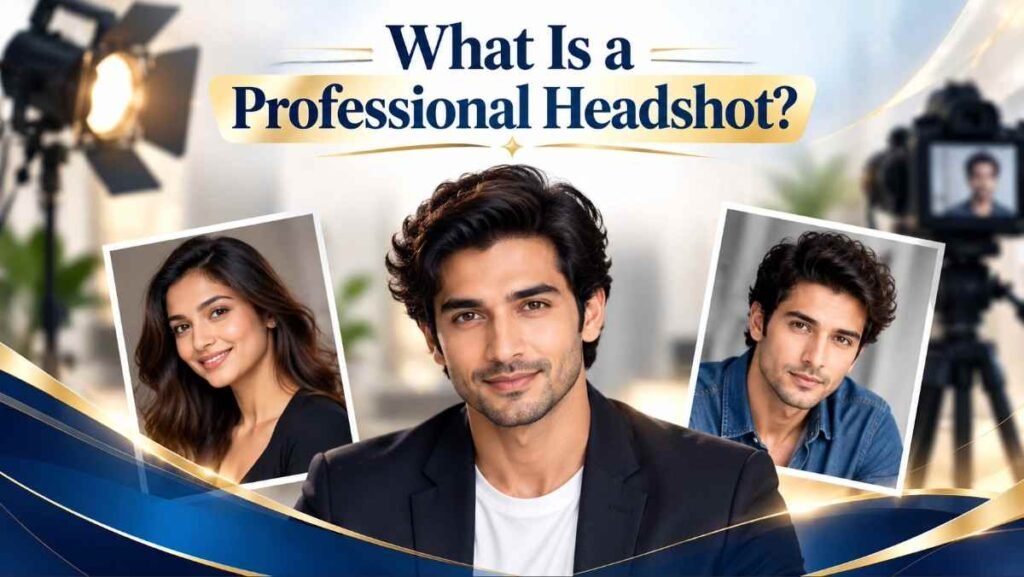
Understand the essentials
What Is a Professional Headshot?
A professional headshot is a clear, current photograph that can introduce you to casting professionals before you ever walk into an audition room. Understanding what makes a headshot effective helps you present yourself with confidence and authenticity.
A Simple Definition
A carefully composed photograph focuses primarily on your face, expression, and overall appearance. Actors use these photographs when introducing themselves to casting directors, agents, production teams, and other industry professionals. Unlike a casual selfie or a heavily edited portrait, the goal is to show a recognisable and realistic version of yourself.
The photograph usually frames your head and shoulders, allowing the viewer to notice your facial features and expression without unnecessary distractions. Clean lighting, sharp focus, a suitable background, and natural presentation all help create an effective image.
The purpose is not to make you look flawless. It is to help someone understand what you genuinely look like and remember your introduction.
For an actor, this image is one part of a wider professional package. Your acting résumé, training, showreel, audition, and experience provide additional information about your abilities. The photograph supports that introduction, but it cannot communicate every aspect of your talent on its own.
What Makes a Headshot Effective?
Four practical qualities help your photograph look clear, credible, and suitable for professional use.
Clear Facial Details
Your face should be easy to see, with sharp focus and lighting that reveals your features naturally.
Natural Expression
A relaxed, genuine expression helps communicate your personality without relying on an exaggerated pose.
Simple Composition
A clean background and appropriate framing keep attention on you instead of distracting details.
Current Appearance
Your image should reasonably reflect how you look now, including any significant changes in hairstyle or facial hair.
A Headshot Is Not Just Any Photograph
Different photographs serve different purposes. Choosing the right type helps you present yourself appropriately.
Actor Headshot
Centres on your face, expression, recognisability, and suitability for professional casting submissions.
Casual Selfie
May have inconsistent lighting, close-up distortion, distracting backgrounds, or an informal composition.
Fashion Portrait
May prioritise styling, dramatic poses, or artistic effects over showing your everyday appearance clearly.
A photograph does not have to come from an expensive studio to be useful. Good technique, suitable lighting, and an authentic result matter more than simply spending more money.
Do You Need an Expensive Studio?
Not necessarily. A suitable photograph can be created with different budgets, provided the final image is clear, well-lit, appropriately framed, and suitable for the intended submission. A skilled photographer can offer valuable guidance, but the important thing is the quality and honesty of the finished image—not the prestige of the equipment or studio.
If you are just starting out, learn the basic requirements of the casting opportunity before paying for photography. Follow the submission instructions, check the requested image format, and avoid spending money on services that promise guaranteed auditions, representation, or roles.
Why Do Actors Need a Professional Headshot?
Acting is about expression, personality and the ability to bring a character to life. A clear, current photograph helps actors introduce themselves professionally and gives people reviewing their profiles a useful first impression.
Your First Introduction Before the Audition
A professional headshot helps present an actor's face, natural expression and overall appearance clearly. It supports a well-organised portfolio, but it cannot replace acting ability, preparation or audition performance.
Six Reasons a Good Headshot Matters
1. Creates a Clear First Impression
A professional headshot gives casting professionals and other industry contacts a simple, clear introduction to the actor before they review further details.
2. Shows Natural Expression
A relaxed, genuine expression can communicate personality more effectively than an exaggerated pose or a heavily edited image.
3. Strengthens the Actor Portfolio
A suitable image makes an online profile or acting portfolio look organised and helps keep essential presentation materials together.
4. Helps Communicate Your Current Look
An up-to-date photograph helps others understand how you look now. This is more useful than an old image that no longer reflects your appearance.
5. Supports Professional Presentation
Consistent, clear photos can make an application easier to review alongside an actor's experience, skills, training and contact information.
6. Keeps Attention on the Actor
Simple lighting, a clean background and minimal distractions help viewers focus on the person's face rather than unnecessary visual effects.
What Makes a Headshot Useful?
Choose an image that represents your present appearance, with realistic editing and no misleading filters.
Make sure the face is visible, the image is sharp and the background does not compete for attention.
Use a simple, professional image that suits your acting portfolio and any stated application requirements.
Good results do not always require an expensive studio. A well-lit, carefully composed photo can be a practical starting point.
A Headshot Can Help You Present Yourself—Not Guarantee a Role
A professional headshot is one part of an actor's overall presentation. Casting decisions depend on many factors, including the role's requirements, performance, experience, availability and the production's needs. Keep your profile accurate, follow legitimate application instructions and never assume that paying for photographs guarantees auditions or employment.
How Casting Professionals Use Headshots
Casting professionals may review many actor profiles while looking for people who fit a production's requirements. A clear, current headshot helps them understand an actor's visible appearance and connect the photograph with the rest of the application.
A Helpful Reference, Not a Final Decision
A professional headshot is one of several materials that may be reviewed during casting. It can help introduce an actor, but it does not demonstrate acting skill by itself or determine whether someone will be selected for a role.
Six Ways Headshots Are Used
1. Reviewing Actor Profiles
A professional headshot helps reviewers see an actor's face clearly while reading their profile, experience, training and other relevant details.
2. Considering Role Suitability
Depending on the role, casting teams may consider whether an actor's visible age range, appearance and presentation fit the production's stated character requirements.
3. Organising Applications
A consistent image can make a submitted profile easier to recognise and review alongside application details, experience and audition materials.
4. Preparing for Auditions
When an actor is invited to audition, the submitted photo can serve as a reference for the person the team expects to meet, especially when it is current and accurate.
5. Checking Authenticity of Presentation
A natural, minimally edited photograph helps provide a realistic impression. Heavy retouching or outdated images can create a mismatch between the photo and the actor's current appearance.
6. Comparing Supporting Materials
Reviewers may consider the photograph alongside a résumé, showreel, self-tape, training history or other materials requested for a particular project.
What Usually Happens During a Profile Review?
Review the Photograph
The reviewer checks whether the image is clear, recognisable and appropriate for the submission requirements.
Read the Actor's Details
Relevant information may include acting experience, skills, training, location and availability, depending on the project.
Consider the Role Requirements
The team compares the submitted information with the needs of the character and production.
Review Audition Materials
If requested, performance materials or a live audition help the team assess acting choices, delivery and suitability beyond the photograph.
Actors: Keep Your Headshot Honest and Up to Date
Use a recent image that accurately represents you, follow the submission instructions and prepare the other materials requested for the role. A professional headshot can support a professional introduction, but no photograph can guarantee an audition invitation, representation or employment. Be cautious of anyone promising a role in exchange for payment.
What Makes a Good Professional Headshot?
A strong actor photograph does not need complicated effects or an expensive setup. The goal is to present a clear, natural and current image that helps viewers focus on your face and expression.
Clarity, Authenticity and a Natural Expression
A professional headshot should look like the person who will attend the audition. Good lighting, thoughtful framing and subtle editing can create a polished result without changing the actor's real appearance.
Six Essential Features of a Good Headshot
1. Clear, Balanced Lighting
Use soft, even light so the face is visible and the eyes are easy to see. Avoid harsh shadows, strong backlighting or overexposed areas.
2. Natural Facial Expression
Relax your face and choose an expression that feels genuine. A forced smile or an overly dramatic pose can distract from your natural appearance.
3. Simple Background
Choose a clean, uncluttered background that separates you from the surroundings and keeps attention on your face.
4. Appropriate Framing
Keep the face and shoulders clearly visible, with enough space around the head. Make sure the camera angle looks natural rather than distorted.
5. Simple, Suitable Clothing
Choose clean clothing that fits comfortably and does not overpower the image. Plain colours often help keep the attention on your face.
6. Realistic Editing
Keep retouching subtle. Avoid filters that significantly alter skin texture, facial features or other details that affect recognisability.
Final Checks Before You Use Your Photo
Current and Recognisable
Make sure the photo reflects your present appearance and looks like you in person.
Sharp, High-Quality Image
Check that the photograph is in focus, properly exposed and free from distracting pixelation.
Correct File and Crop
Follow the submission instructions for image dimensions, file format, orientation and file size.
Appropriate for the Purpose
Use a straightforward actor photo for casting profiles rather than a heavily styled fashion or social-media image.
Do You Need an Expensive Studio?
Not necessarily. A professional headshot can be created with a camera or a capable phone, soft natural light, a simple background and careful composition. A studio photographer may be helpful if you need more control over lighting or several portfolio images. Choose an option that suits your needs and budget; a costly photo alone cannot guarantee auditions or acting work.
Professional Headshot vs Casual Photo
Both professional and casual photographs can show who you are, but they serve different purposes. Understanding the difference helps actors choose an image that matches the expectations of a casting submission, portfolio or everyday social profile.
The Main Difference Is Purpose and Presentation
A professional headshot is created to present your face clearly and consistently for professional use. A casual photo is usually taken informally to capture a moment, share an experience or communicate with friends and family.
Compare the Two Photo Styles
Professional Headshot
Professional PresentationDesigned to show the actor's current appearance clearly, with attention to lighting, framing and a natural expression.
- Lighting: Balanced and chosen to show facial features clearly.
- Background: Usually simple and free from distractions.
- Framing: Face and shoulders are easy to see.
- Expression: Natural, relaxed and appropriate for the profile.
- Editing: Subtle adjustments that preserve recognisability.
- Best use: Casting submissions, actor portfolios and professional profiles.
Casual Photo
Everyday SharingUsually taken spontaneously, often to record a personal moment or share everyday activities with other people.
- Lighting: Depends on the location and time of day.
- Background: May include scenery, people or everyday surroundings.
- Framing: May show the full body, a group or a wider scene.
- Expression: Often spontaneous and connected to the moment.
- Editing: May include filters or social-media effects.
- Best use: Personal memories, informal posts and everyday communication.
Quick Comparison Guide
| Feature | Professional Headshot | Casual Photo |
|---|---|---|
| Main purpose | Professional introduction | Personal sharing |
| Visual focus | Face and expression | Person, activity or setting |
| Composition | Usually planned | Often spontaneous |
| Background | Generally uncluttered | Can be varied or busy |
| Professional use | Often suitable when requirements match | Depends on image quality and instructions |
Can You Use a Phone Photo?
Choose Soft Light
Stand facing a window or use even natural light so your face is visible without harsh shadows.
Keep It Simple
Use a plain background, a clean outfit and a camera angle that shows your face naturally.
Avoid Strong Filters
Keep your image realistic and current. Avoid effects that substantially change your facial features.
Which Photo Should Actors Choose?
For a casting profile or acting portfolio, a professional headshot is often the more appropriate choice when the submission requests one. A casual photograph may still be acceptable if it is clear, current and consistent with the stated instructions. Always follow the specific project's requirements, and remember that a good photograph supports your presentation but does not guarantee an audition or role.
Different Types of Actor Headshots
Actors work across films, television, theatre, advertisements and digital productions. Different projects may call for different styles of photographs. Understanding the main headshot categories can help you choose an image that fits your professional goals and the submission instructions.
One Actor, Different Professional Presentations
A professional headshot can be styled in several ways depending on the purpose of the image. The most useful choice is usually the one that looks authentic, reflects your current appearance and suits the type of work or profile for which you are applying.
Six Common Types of Actor Headshots
1. Theatrical Headshot
Often used by actors pursuing film, television drama and theatre. The image may have a more understated, character-focused mood while keeping the face clearly visible.
Drama and Screen Roles2. Commercial Headshot
Commonly used for advertising and commercial projects. The expression may feel warm, approachable and relatable, depending on the brief.
Advertising and Brands3. Natural or Minimal Headshot
Uses simple lighting, restrained styling and minimal retouching to show the actor's present appearance without unnecessary visual effects.
General Actor Profiles4. Character-Focused Headshot
Uses expression, posture or subtle styling to suggest a particular performance quality, while remaining recognisable and appropriate for professional use.
Specific Role Submissions5. Corporate or Presenter Portrait
A polished portrait that may suit corporate videos, hosting, presenting, training content or professional speaker profiles.
Hosting and Presenting6. Three-Quarter Portrait
Shows more of the upper body than a tightly cropped headshot. It may be useful when a project requests a wider portrait or additional portfolio images.
Extended Portfolio ImagesHow to Choose the Right Type
Start With the Project Brief
Read the application instructions carefully. If a specific image style, crop or file format is requested, follow those requirements first.
Keep Your Appearance Authentic
Choose photos that look like you today. Avoid excessive retouching, misleading filters or styling that makes your appearance difficult to recognise.
Match the Intended Use
A commercial profile may benefit from an approachable expression, while a dramatic project may call for a more neutral or serious presentation.
Build a Focused Portfolio
Begin with one clear main image. Add other portraits only when they serve a distinct purpose and meet the relevant submission requirements.
Do You Need Every Type of Headshot?
No. Most actors can begin with one clear, current and versatile photograph. A professional headshot should support your portfolio rather than create unnecessary expense. Add specialised images when they serve a genuine purpose, and remember that no particular photo style guarantees auditions, representation or employment.
How to Choose the Right Headshot Photographer
Choosing a photographer is about more than finding someone with a good camera. Actors need clear, authentic images that suit their professional goals, fit their budget and follow the requirements of the profiles or projects they intend to approach.
Look for Relevant Work, Clear Pricing and Honest Guidance
A suitable photographer should understand the purpose of an actor's portrait, explain the available options and make the session comfortable. Review their work carefully before making a booking, and never assume a particular photographer can guarantee auditions or roles.
Six Things to Check Before Booking
1. Review Their Portfolio
Look for clear portraits with natural expressions, balanced lighting, simple backgrounds and realistic editing. Check whether the photographer has experience creating actor-focused images rather than only event or landscape photography.
2. Check Their Experience
Ask whether they understand casting submissions, actor portfolios and the difference between a headshot and a fashion portrait. Relevant experience can help them plan a session for your intended use.
3. Compare the Total Cost
Request a written breakdown of the session fee, number of edited images, extra retouching charges, travel costs and any optional services. Compare packages by what they actually include.
4. Understand Their Editing Style
Choose someone whose work preserves natural skin texture and recognisable facial features. Ask how much retouching is included and whether additional edits cost extra.
5. Confirm What You Receive
Check the number of final images, delivery timeline, image resolution, file formats, cropping options and permitted usage rights before paying a deposit.
6. Assess Communication
A good photographer should explain the process, answer questions respectfully and discuss your goals without pressuring you into expensive upgrades or unnecessary services.
Questions to Ask Before the Session
What Is Included in the Package?
Ask how long the session lasts, how many images you can select and how many finished photographs you will receive.
Can I See a Full Example Session?
Request examples that show consistency across a complete set, not only a few highly edited promotional images.
When Will the Images Be Ready?
Confirm the expected delivery date and whether rush delivery is available at an additional cost.
What Are the Cancellation Terms?
Read the deposit, rescheduling, cancellation and refund conditions before confirming your booking.
Red Flags to Watch Out For
Be cautious of guaranteed casting opportunities, promises of roles in exchange for a photography fee, unclear pricing, copied portfolio images, pressure to pay immediately or requests for unnecessary personal information. A photographer's service and a casting opportunity are separate matters.
Choose Quality That Fits Your Needs and Budget
You do not always need the most expensive package. A professional headshot can be produced at different price points when lighting, framing and editing are handled carefully. Compare real examples, read the agreement and select a photographer who provides clear terms and an image that accurately represents you. If you are under 18, involve a trusted parent or guardian in the booking, payment and session arrangements.
What to Wear for a Professional Headshot
Your clothing should support the expression and personality you want your portrait to communicate. The best outfit is usually comfortable, well-maintained and appropriate for the type of work or profile where you plan to use the image.
Keep the Attention on Your Face
Choose clothing that feels like you and does not compete with your expression. A simple, well-fitting outfit, clean neckline and thoughtfully chosen colour can help create a clear and versatile portrait without requiring an expensive wardrobe.
Six Clothing Tips for a Better Portrait
1. Choose a Good Fit
Wear clothes that fit comfortably around the shoulders and neckline. Avoid garments that need constant adjustment, bunch up awkwardly or restrict natural movement.
2. Select Suitable Colours
Solid colours often photograph well and keep the image visually calm. Choose shades that work with the background and lighting planned for your session.
3. Keep Patterns Simple
Very small checks, thin stripes and busy prints can distract from the face or create visual interference in photographs. Simple textures and understated designs are often easier to work with.
4. Bring a Few Options
If your package allows outfit changes, bring two or three alternatives with different colours or necklines. This gives you variety without making the session complicated.
5. Check the Details
Iron or steam your clothes, remove lint and check collars, buttons and seams. Small details can become noticeable in a closely framed portrait.
6. Stay Authentic
Select an outfit that reflects your everyday professional presentation and the roles or work you are pursuing. Avoid choosing a style simply because it is currently fashionable.
Colour Ideas to Consider
Classic and versatile
Soft and understated
Warm and expressive
Simple and subtle
Clean and understated
Dress for the Purpose of the Photo
For Acting and Casting Profiles
Choose clothing that supports your natural appearance and the type of roles you are pursuing. A simple top or shirt can work well when the goal is a clear, expressive portrait rather than a costume or character look.
For Corporate or Presenter Profiles
Consider a neat shirt, blouse, jacket or another outfit suited to your field. The appropriate level of formality depends on your industry, audience and intended use of the image.
For Natural, Everyday Portraits
Comfortable everyday clothing in a simple colour can help the photograph feel relaxed. Avoid large logos or slogans unless they are relevant to the intended purpose.
For Multiple Looks
If you need more than one style, plan each outfit in advance. Keep accessories coordinated and ask the photographer how much time is available for changes.
Accessories, Makeup and Grooming
Keep accessories simple unless they are important to your usual presentation. If you wear makeup, choose a level that feels familiar and appropriate for the image. Check hair, facial hair and clothing before the session, and bring any small grooming items you may need for touch-ups.
Your Comfort Matters More Than Following a Trend
There is no single outfit that works for every person or every casting context. Choose clothes that allow you to move naturally, feel comfortable and present yourself authentically. A well-planned professional headshot should represent you clearly, not make you look like someone else. If you are unsure, ask the photographer about the background, lighting and outfit options before your appointment.
Hair, Makeup, Grooming, and Natural Appearance
Good preparation helps you feel comfortable and look like yourself in front of the camera. Hair, makeup and grooming should support your expression rather than distract from it. The goal is a clear, authentic image that represents you accurately.
Look Prepared, Not Unrecognisable
A natural appearance does not mean everyone must avoid makeup, facial hair or personal styling. It means your final portrait should remain recognisable and suitable for its intended purpose. Choose a grooming approach that reflects your identity and the type of profile you are preparing.
Six Areas to Prepare Before Your Session
1. Hair Preparation
Arrive with clean, manageable hair styled in a way that feels familiar. If you plan to get a haircut, consider doing it a few days beforehand so you have time to get comfortable with the result.
2. Makeup Choices
Makeup is optional. If you wear it, choose a look that suits the intended portrait and feels comfortable to you. Ask the photographer whether shine control or professional makeup services are available.
3. Facial Hair
Decide whether you want a clean-shaven look or to keep your beard or moustache. Maintain your usual style neatly, and avoid making a major last-minute change unless it is intentional.
4. Skin Preparation
Follow your usual skincare routine and use products you already know work for you. Avoid experimenting with unfamiliar treatments immediately before the shoot, as they may cause irritation.
5. Glasses and Accessories
If you normally wear glasses, ask the photographer how to minimise reflections. Bring your usual pair and keep accessories simple unless they are an important part of your everyday presentation.
6. Natural Expression
Practise relaxed expressions in a mirror if that helps you feel prepared, but avoid forcing a smile or copying someone else's pose. Follow the photographer's direction and let your expression remain authentic.
Simple Preparation Tips
The Day Before
Prepare your outfit, clean your glasses if you wear them, organise grooming essentials and confirm the session time. Give yourself enough rest to arrive feeling comfortable.
On the Day
Allow time for getting ready and travelling. Bring a comb, tissues, a small mirror and any familiar touch-up products you may need.
During the Session
Ask for a quick review of your hair, clothing and glasses between shots. Small adjustments can help you feel more confident without overthinking every detail.
When Reviewing Images
Look for a clear, recognisable representation of yourself. Prefer natural-looking edits over changes that substantially alter your facial features or appearance.
Pre-Session Grooming Checklist
Avoid Last-Minute Experiments
A new haircut, unfamiliar skincare product or dramatic makeup change can leave you feeling uncomfortable on the day. Plan ahead, choose familiar options and discuss any special requirements with your photographer before the session.
Your Individual Appearance Is Part of Your Identity
There is no single standard for hair, makeup or grooming that suits every actor. Different people have different styles, features and professional goals. A good professional headshot should show you clearly and authentically, with preparation that helps you feel confident rather than pressured to change who you are.
Facial Expressions, Eye Contact, and Confidence
A strong portrait is not just about the camera or lighting. Your expression, the direction of your gaze and the way you carry yourself can help communicate personality. The aim is not to look perfect or imitate another person, but to present yourself naturally and clearly.
Confidence Comes from Being Comfortable
You do not need to force a big smile, stare intensely into the camera or hold a rigid pose. Relax your face, breathe normally and listen to the photographer's direction. Small, natural adjustments often work better than trying to control every facial movement.
Six Ways to Improve Your Camera Presence
1. Keep Expressions Natural
Try a relaxed neutral expression and a gentle smile. Allow your expression to change naturally between photographs instead of holding the same pose for every frame.
2. Understand Eye Contact
If the photographer asks you to look into the lens, focus gently on it rather than staring intensely. Follow directions when a different gaze or angle is requested.
3. Relax Your Face
Take a comfortable breath, release unnecessary tension in your jaw and let your forehead relax. You can pause between shots if you feel stiff or self-conscious.
4. Use Comfortable Posture
Sit or stand naturally, keep your shoulders comfortable and follow the photographer's guidance on head position. Avoid forcing an angle that feels awkward.
5. Show Your Personality
Consider the purpose of the portrait. A corporate profile may call for a different expression from an acting portfolio, but both should represent you honestly.
6. Practise Without Pressure
Take a few test photos in soft natural light to become familiar with the camera. Use them to learn what feels comfortable, not to judge every small detail of your appearance.
Different Expressions for Different Purposes
Relaxed and Approachable
A gentle smile or warm, relaxed expression may suit commercial profiles, presenter work and professional introductions. Keep it genuine rather than exaggerated.
Neutral and Focused
A calm expression can work well for many acting portfolios and professional profiles. Relax your mouth and forehead while keeping your gaze comfortable.
Engaged and Confident
A steady gaze and natural posture can communicate attentiveness. You do not need to look stern or overly serious to appear professional.
Natural Variation
If several images are being taken, try subtle variations in expression and gaze under the photographer's guidance. Choose the images that best suit your intended use.
A Simple Practice Routine Before Your Session
Avoid Forced Expressions and Heavy Editing
Holding an uncomfortable smile, over-posing or relying on strong filters can make a portrait feel less authentic. Ask for guidance, take breaks when needed and choose images that still look like you in everyday life.
Your Confidence Does Not Have to Look the Same as Everyone Else's
Some people naturally smile, while others feel more comfortable with a calm expression. Neither approach is automatically better. A good professional headshot should communicate your personality in a way that fits its purpose while keeping your appearance recognisable and authentic.
Lighting, Background, Framing, and Image Quality
Lighting, background and composition all influence how clearly a portrait communicates your personality. A carefully captured image should keep attention on your face, show natural details and remain clear when viewed on a professional profile or casting submission.
Clarity Matters More Than Expensive Equipment
A high-end camera cannot compensate for poor focus, distracting surroundings or harsh lighting. Good preparation, a thoughtful setup and careful image selection can help produce a clear, usable portrait with professional presentation.
Four Essentials of a Strong Portrait
1. Lighting
Use soft, even light that shows facial features clearly. A window with indirect daylight can work well for a simple setup. Avoid strong backlighting, harsh shadows and mixed light sources that create inconsistent skin tones.
2. Background
Choose a clean, uncluttered background that separates you from the surroundings. Neutral or softly coloured backgrounds are versatile, but the best choice depends on your clothing, lighting and intended use.
3. Framing
Keep the face clearly visible and leave enough space around the head for appropriate cropping. Avoid cutting off the top of the head accidentally or framing so widely that facial details become difficult to see.
4. Image Quality
Check focus, sharpness, exposure and colour balance. Use an original, high-resolution image rather than a screenshot or a repeatedly compressed copy. Follow the destination platform's file requirements.
Practical Photography Tips
Keep the Eyes in Focus
In a closely framed portrait, clear focus on the eyes helps the expression remain easy to read.
Watch the Exposure
Avoid highlights that lose detail or shadows that make facial features difficult to see.
Choose a Suitable Crop
Keep the framing balanced and check how the image looks in both full-size and thumbnail views.
Keep Colours Consistent
Natural-looking colour balance helps clothing, skin tones and the background appear believable.
Avoid Heavy Filters
Excessive smoothing, artificial effects and strong colour filters can reduce authenticity and detail.
Check the Final File
Review the exported image for blur, compression artefacts, unexpected cropping and unwanted edits.
Image Quality Checklist
Do Not Confuse Resolution with Overall Quality
A large file can still be poorly lit, out of focus or badly framed. Likewise, a smaller image may look fine on a screen but lose detail when enlarged. Start with a sharp original photograph, then export it in the size and format required by the platform.
Make the Photograph Clear, Authentic and Useful
The goal of a professional headshot is not to create an artificial appearance. Good lighting, a simple background, careful framing and a clean image file help viewers see you clearly. Before submitting your portrait, check the requirements of the casting platform or professional profile where you plan to use it.
Common Professional Headshot Mistakes to Avoid
A professional headshot does not need expensive equipment or heavy editing to look effective. However, a few common mistakes can make an otherwise good photograph look distracting, outdated, or unsuitable for its intended purpose. Understanding these issues can help you prepare a clear, natural, and professional image.
Using Blurry or Low-Resolution Photos
An image that looks pixelated, out of focus, or poorly cropped can make facial details difficult to see. Use a sharp, well-lit photograph and check its quality before uploading or sharing it.
Overusing Filters and Retouching
Heavy filters, excessive skin smoothing, and major digital changes can make your photograph look unlike your current appearance. Keep editing subtle and preserve natural facial features.
Choosing a Distracting Background
Busy surroundings, visible clutter, and strong background patterns may draw attention away from your face. Choose a simple background that supports the purpose of the photograph.
Using Poor or Uneven Lighting
Harsh shadows, bright spots, or lighting that hides important facial details can reduce clarity. Use soft, balanced light and check the result on your screen before taking the final picture.
Wearing Distracting Clothing
Very busy patterns, prominent logos, or accessories that dominate the frame may compete with your face. Select clean, comfortable clothing appropriate for the intended professional context.
Using an Unnatural Expression
A forced smile or tense expression can make a portrait feel uncomfortable. Relax your shoulders, breathe normally, and choose an expression that feels genuine and suitable for your purpose.
Cropping Too Closely or Too Widely
Cropping too close may cut off important parts of the head, while excessive empty space can reduce the focus on your face. Leave balanced space around your head and follow the required image dimensions.
Using an Outdated Photograph
Your photograph should reasonably represent how you look now. If your appearance has changed noticeably, consider taking an updated image rather than relying on an old portrait.
Ignoring the Intended Use
A portrait suitable for a corporate profile may not suit every acting or creative submission. Check the specific instructions and prepare an image that matches the stated requirements.
Do Not Confuse Professional Quality with Perfection
A good professional headshot should be clear, current, and recognisably you. Natural features, realistic editing, and a suitable expression are generally more useful than an artificial or heavily altered appearance. You do not need an expensive studio session to create a presentable image.
Final Review Before You Use Your Photo
How Often Should Actors Update Their Headshots?
Actors often wonder whether they need new photographs every year or only when their appearance changes. There is no universal update schedule. The right time depends on how accurately your current image represents you, your career stage, and the requirements of the casting or professional opportunity you are pursuing.
Focus on Accuracy, Not Just the Calendar
Your professional headshot should give people a realistic impression of your current appearance. A recent photograph is useful when it represents you accurately, but a photograph does not automatically become unsuitable simply because it is a year old. Review the image periodically and update it when there is a meaningful reason.
When Your Appearance Changes
Consider a new photo after a noticeable haircut, a significant hairstyle change, a change in facial hair, or another lasting change that makes your existing image less representative of how you look today.
When Your Current Photo Is Outdated
If people who meet you would find it difficult to recognise you from your photograph, it may be time for an update. The goal is a realistic match, not an idealised or heavily edited version of yourself.
When You Change Your Professional Focus
If you move towards a different type of acting, presenting, or other performance work, review whether your existing image suits the opportunities you are targeting. Follow any specific submission instructions.
When Image Quality Is Poor
Blurry details, low resolution, harsh shadows, or excessive retouching can make an image less useful. You may benefit from a new photograph with clearer lighting and a more natural finish.
When You Receive Useful Feedback
Constructive feedback from a reputable acting coach, photographer, or representative may help you identify practical improvements. Consider the advice carefully rather than replacing a photo after every opinion.
When Submission Rules Require It
Some casting platforms, agencies, or projects specify image formats, dimensions, or recency requirements. Read the current instructions and provide a photograph that meets them.
A Simple Headshot Review Routine
Instead of following a rigid replacement deadline, build a simple habit of reviewing your image and deciding whether an update is actually needed.
Avoid Unnecessary Spending
You do not need to pay for a new photo shoot simply because a certain amount of time has passed. If your current image is clear, professional, accurate, and accepted for your intended use, it may remain suitable. Prioritise genuine improvements over arbitrary deadlines.
Questions to Ask Before Updating
Remember: A useful headshot is one that represents you honestly and meets the needs of its intended audience. Review it regularly, update it when necessary, and avoid spending money on changes that do not improve its accuracy or quality.
Professional Headshot Tips for Beginners and Young Actors
Starting an acting journey can feel exciting, especially when you are preparing your first portfolio or applying for suitable opportunities. You do not need an expensive studio session to begin. A clear, natural, well-composed photograph can help introduce you professionally while keeping the process practical and affordable.
Start Simple and Keep Your Photo Authentic
A professional headshot should make your face easy to see and reflect how you look today. Beginners can focus on good lighting, a clean background, comfortable clothing, and a relaxed expression before considering more advanced photography options.
Use Soft, Natural Light
Stand facing a window with gentle daylight falling evenly on your face. Avoid strong backlighting and harsh overhead lights that create distracting shadows. Take a few test photos to check the result.
Choose a Simple Background
A plain wall or tidy, uncluttered setting helps keep attention on your face. Choose a background that contrasts gently with your clothing without distracting patterns or objects.
Wear Comfortable Clothing
Select clean, well-fitting clothing that suits the type of opportunity. Neutral or solid colours can work well. Avoid large logos, busy patterns, and accessories that dominate the photograph.
Keep Your Expression Natural
Relax your shoulders, breathe normally, and try a gentle smile or a calm, attentive expression. You do not need to force a particular look. Aim for a photograph that feels comfortable and recognisable.
Frame Your Face Clearly
Keep your head and upper shoulders visible, with a little space above your head. Position the camera around eye level and avoid extreme angles, excessive distance, or awkward cropping.
Use Minimal Editing
Adjust brightness or crop the image if needed, but avoid strong filters, face-altering effects, or heavy retouching. The final image should remain a realistic representation of your current appearance.
Ask for a Second Opinion
Ask a trusted person to compare a few photographs for clarity, lighting, and natural expression. Choose the image that represents you accurately rather than the one with the most dramatic effects.
Follow Submission Instructions
Before uploading a photo, check the requested file type, dimensions, and background rules. Requirements differ between platforms and projects, so avoid assuming that one image format suits every submission.
Keep Your Image Up to Date
Review your photo when your appearance changes or when the image no longer represents you accurately. You do not need a new photo on a fixed schedule if your existing one remains suitable.
A Simple At-Home Photo Routine
Use this beginner-friendly process to create and review a few photographs before choosing one for an appropriate professional profile.
Find a quiet, tidy location with soft daylight. Clean the camera lens and select simple clothing.
Keep the camera steady at eye level and try a few natural expressions without dramatic poses.
Choose a sharp, well-lit image that looks like you and follows the intended submission requirements.
You Can Begin Without an Expensive Photoshoot
A recent smartphone can be enough for an initial, informal headshot if the lighting, framing, and image quality are good. If a particular agency, casting professional, or project requires professionally produced photographs, check its instructions before spending money. Never assume that paying for a photo guarantees auditions, representation, or acting work.
Safety Tips for Young Actors
If you are under 18, involve a parent, guardian, or trusted adult before sharing photographs, contact details, or personal information with unfamiliar people or websites. Be cautious of anyone who requests inappropriate images, pressures you to meet alone, or demands payment in exchange for guaranteed roles. Verify opportunities independently and never feel obliged to continue a conversation that makes you uncomfortable.
Beginner's Headshot Checklist
Final tip: Your first headshot does not have to be perfect. Focus on clarity, authenticity, and suitability for your purpose. Improve your photograph as your experience grows, and remember that a headshot is an introduction—not a guarantee of professional success.
FAQs About Professional Headshots
Choosing, preparing, and maintaining a suitable headshot can raise many questions, especially for beginners and young performers. These answers cover common concerns about photo quality, cost, clothing, updates, and realistic expectations.
Quick Answers for Actors and Beginners
A useful headshot should be clear, current, natural, and suitable for its intended purpose. Always check the requirements of the platform, agency, or project before submitting a photograph.
1. What is a professional headshot?
A professional headshot is a clear portrait that presents your face and current appearance in a polished, realistic way. A professional headshot is often used for acting profiles, business biographies, speaker profiles, and other professional introductions.
2. How often should I update my professional headshot?
Update your professional headshot when your appearance changes noticeably, the image becomes outdated, or a submission requires a newer photograph. If your current image remains accurate and meets the relevant requirements, you may not need to replace it simply because time has passed.
3. Can I take a professional headshot at home?
Yes. You can create a professional headshot at home with a camera or smartphone, soft natural light, a simple background, and careful framing. Review the image for sharpness and natural colour, and check whether the intended recipient has specific photography requirements.
4. What should I wear for a professional headshot?
For a professional headshot, choose clean, comfortable clothing that suits your intended use. Solid colours and simple designs often work well because they keep attention on your face. Avoid distracting logos or patterns unless a specific style is requested.
5. Does a professional headshot guarantee auditions or employment?
No. A professional headshot can help present you clearly, but it cannot guarantee auditions, representation, casting decisions, or employment. A professional headshot is only one part of a profile; experience, suitability, preparation, and the requirements of each opportunity also matter.
6. Do beginners need an expensive photographer?
Not necessarily. Beginners can start with a well-lit, clear photograph if it meets the intended submission requirements. Before paying for a photoshoot, compare the photographer's portfolio, fees, editing approach, and deliverables. Avoid anyone promising guaranteed roles in exchange for payment.
7. Should young actors involve a parent or guardian?
Yes. Young actors under 18 should involve a parent, guardian, or trusted adult before sharing photographs or personal information with unfamiliar people or websites. Never send inappropriate images or agree to a private meeting without appropriate adult involvement and safety checks.
8. Should I use filters or heavily retouch my photo?
It is best to keep editing subtle. Correct minor exposure issues or crop the image when necessary, but avoid filters that substantially change your facial features. Your photograph should provide a realistic impression of how you look today.
One Important Thing to Remember
A headshot is a professional introduction, not a promise of success. Prioritise authenticity, image quality, privacy, and the specific requirements of the opportunity you are considering.
Review these FAQs whenever you prepare a new profile or submit a photograph. Making informed, practical choices can help you present yourself clearly without unnecessary spending or unrealistic expectations.
Trusted Resources and Further Reading
Explore these selected resources to learn more about actor headshots, audition preparation and safer ways to evaluate entertainment opportunities.
How to Spot and Avoid Fake Casting Calls
Learn about suspicious payment requests, misleading promises, impersonation and practical ways to evaluate casting opportunities.
Read the CastingHubs Guide ↗Is Your Headshot Working as Hard as You Are?
Read an industry article discussing actor headshots, natural appearance and choosing a portrait that represents you realistically.
Read the SAG-AFTRA Article ↗Commercial Audition Tips
Explore practical advice from a casting director about commercial auditions, suitable headshots and preparing your professional materials.
Read Audition Tips ↗Important: These resources provide educational information and do not guarantee auditions, representation or employment. External pages are managed by their respective publishers. Always check opportunity details independently.
Conclusion — Making Your Headshot Work for You
Your photograph is often one of the first things people notice when reviewing a professional profile. A carefully prepared professional headshot can help you make a clear, confident, and authentic first impression without relying on expensive equipment or excessive editing.
Authenticity Matters More Than Perfection
The most useful professional headshot represents your current appearance, shows your face clearly, and suits the purpose for which you are using it. Good lighting, a simple background, appropriate clothing, and a natural expression can make a meaningful difference. Focus on presenting yourself accurately rather than trying to create an unrealistic image.
Keep It Current
Review your professional headshot whenever your appearance changes or the existing photograph no longer represents you accurately. Update it when there is a genuine reason, rather than following an arbitrary schedule.
Prioritise Image Quality
A professional headshot should be sharp, well-lit, and framed appropriately. Check the final image carefully and follow any requirements for dimensions, file type, or background before submitting it.
Spend Wisely
You can begin with a suitable smartphone photograph if it meets your needs. Invest in professional photography when it provides a clear benefit or when the intended recipient specifically requires it.
A Headshot Is One Part of Your Professional Profile
A professional headshot can support your introduction, but it cannot guarantee auditions, representation, employment, or career success. Your skills, preparation, experience, and suitability for each opportunity remain important. Be cautious of anyone who promises guaranteed results in exchange for payment.
Make Your First Impression Count
Whether you are an aspiring actor, an experienced performer, or someone building a professional profile, choose a professional headshot that reflects who you are today. Keep it natural, follow submission guidelines, protect your privacy, and make thoughtful improvements as your goals develop. A professional headshot works best when it presents you clearly and honestly.
Why a Professional Headshot Matters
Your headshot is often the first impression a casting professional gets of you. A clear, natural and professional-looking photograph can help casting teams understand your appearance and consider whether you may suit a role. Learn how to present yourself confidently without spending more than necessary.
- Understand what makes a casting headshot clear, natural and useful.
- Learn how lighting, background, framing and expression affect your first impression.
- Discover common headshot mistakes to avoid when creating your artist profile.
- Get practical tips for presenting an authentic image without misleading filters or unnecessary editing.
Get More Casting & Artist Tips
Subscribe to CastingHubs for useful guidance on headshots, artist profiles, casting opportunities and safer audition practices.
CastingHubs helps artists build stronger profiles, understand casting expectations and make more informed decisions about auditions.
Table of Contents
Toggle